Meet our students: Brighter futures IN the making!
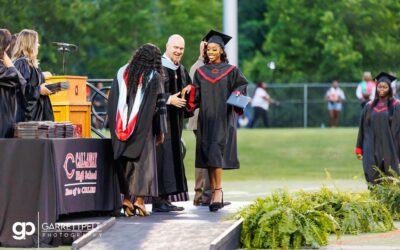
CIS Alumni Q&A: Class of 2023 – Markayla
There are many people that we meet in our lives. But only a very few will make a lasting impression on our minds and hearts. Markayla is a student that remains in my heart and mind. She is the epitome of perseverance and her strength is unmatched. I am proud to have impacted her life but she has impacted my life as well.
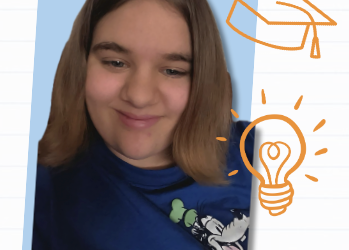
Margaret: Opening Up and Moving Forward
“She said it felt good to be able to tell her story… She has come such a long way and is absolutely incredible.” — Ali Jennings, CIS Site Coordinator, Lakeview Fort Oglethorpe High School

A Letter From a CIS Parent
My son’s grades have improved and he constantly talk about the group sessions Mr. Clark has, making it fun to learn.
News Across Our Network
A Letter From a CIS Parent
My son’s grades have improved and he constantly talk about the group sessions Mr. Clark has, making it fun to learn.
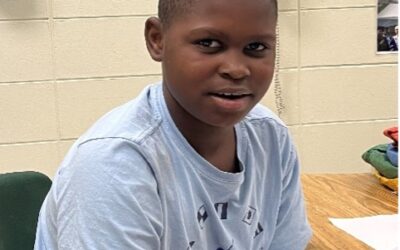
A Mentor for Nayvadius
In his own words: "My name is Nayvadius Barkley. I’m nine years old and I’m in the 3rd grade at Alice Coachman Elementary. This is my second year as a CIS student. My site coordinator is Coach Noel. My parents thought a male mentor in the school would really help me....
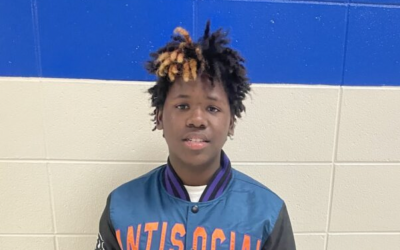
Rashad: Reaching Academic Goals
When Rashad was referred to Communities In Schools in elementary school his teachers were concerned about his attendance. And, even as time went on, during his 6th grade year, Rashad was still not meeting his potential academically and involved with peers who...
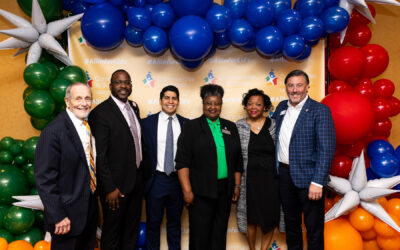
Leadership for Impact
Empowering students and building stronger communities together... CISGA held their two-day Statewide Convening on October 12th -13th, centered around "Leadership for Impact: Empowering students and building communities together", bringing together a diverse array of...
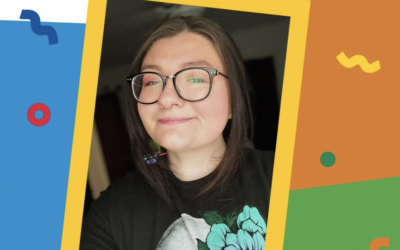
Alyssa, Finding Hope and Success
Just a few years ago, after moving from place to place multiple times and continuously changing schools, Alyssa had missed so many classes that she found herself a first-year student at age 16. Now, she is a high school graduate after finding a mentor in Site...

Communities in Schools of Georgia Kicks Off Back-to-School Effort with Scaling Initiative Expanding Resources and Supports to More Students
Communities in Schools of Georgia (GISGA), the state’s leading drop-out prevention program, has been awarded funding to focus on the expansion of CISGA’s integrated student supports model into 13 new schools, across Georgia.
This award was made possible through a nationwide $165 million Ballmer funding plan designed to catalyze local public and private investment sources through a 1:1 match requirement over the first three years and commitments to sustain the work long-term.
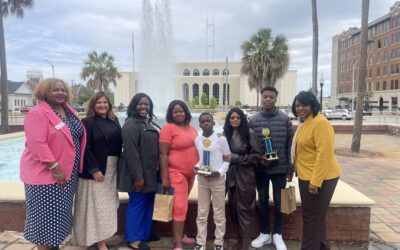
What Community Means to Students
The City of Albany, Department of Community and Economic Development invited 5th , 8th , and 12th grade students enrolled in the Dougherty County School System during the 2022-2023 school year to participate in an essay contest. Winners were presented April 10, 2023...
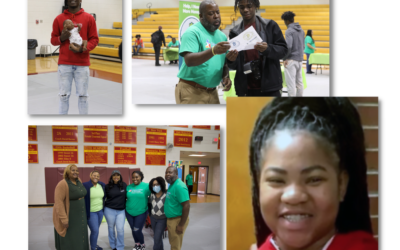
Reality U Prepares Students for the Future
Today we are celebrating a wonderful day for our children to learn financial literacy. Thanks to organizations like Communities In Schools of Georgia in Dooly County, and so many other CIS of Georgia sites, along with nurturing strong partnerships with school staff,...